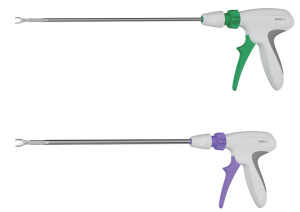








It is understood that surgical robots are a type of medical robots that can be used for surgical image guidance and minimally invasive surgery. On the one hand, surgical robots can overcome traditional surgical techniques such as low precision, long time, operator fatigue, and lack of 3D medical image navigation. Defects, on the other hand, patients have smaller wounds, less bleeding, and faster recovery.
According to China Industry Information Network, the most widely used surgical robot in the world is the Da Vinci surgical robot produced by Intuitive Surgical. Since the first generation of Da Vinci surgical robots passed FDA review in July 2000, Intuitive Surgical has developed and designed five generations of Da Vinci surgical robots.
The latest report from Grand View Research shows that by 2025, the surgical robot market will reach US$5.6 billion. The report claims that the surgical robot market will show explosive growth, and innovative robots will cover the entire process from diagnosis to surgery, reshaping medical treatment.
my country’s medical robot industry started relatively late. From the completion of China’s first robotic surgery in 1997 to 2010, the first medical robot "Orthopedic Navigation Robot" with completely independent intellectual property rights obtained the national medical device registration license and put it into clinical use. The robotics industry accelerates the process of independent innovation.
According to data from Zhiyan Consulting, my country's surgical robot industry has maintained a relatively high growth rate in recent years. The market size of the surgical robot industry in 2019 was 619 million yuan, a year-on-year increase of 40.6%.
my country's domestic surgical robots are developing rapidly. In 2019, the domestic surgical robot market reached 323 million yuan, and the proportion of domestic surgical robots increased from 20.58% in 2016 to 52.16% in 2019.
However, there are still many problems to be solved in the field of surgical robots. According to the analysis of China Industry Information Network, the price of surgical robots is relatively high, and surgical costs basically need to be paid for by themselves. They have not been included in medical insurance, and their domestic penetration and utilization rates are still low.
In addition, the development of surgical robots in my country still faces disadvantages such as the price threshold for surgical robots to enter medical institutions, the high cost of robotic surgery, and the monopoly of intellectual property rights restricting the research and development costs of domestic surgical robots.
On the one hand, surgical robots are not only expensive in equipment, but the consumables and related services are also much higher than traditional surgery, which ultimately leads to high surgical costs. On the other hand, robotic surgery takes a long time to set up, the huge equipment volume requires a dedicated operating room, and the efficiency of circulation low.
Domestic machinery companies have been splitting and listing frequently. In addition, this time, Minimally Invasive Medical has recently split and listed three times.
On November 9, MicroPort Medical issued an announcement stating that it proposed to spin off the company’s subsidiary MicroPortCardioFlowMedtech Corporation (MicroPortCardioFlowMedtech Corporation) for independent listing on the main board of the Stock Exchange.
MicroPort Xintong is mainly engaged in the R&D, manufacturing and sales of devices for the treatment of valvular heart disease.
The 2019 annual report shows that as of the end of 2019, minimally invasive medical heart valve business achieved revenue of 3.1 million US dollars, equivalent to about 20 million yuan; the 2020 semi-annual report shows that the heart valve business achieved revenue of 5.2 million US dollars in the first half of the year, equivalent to yuan About 34 million yuan, accounting for 1.7% of total revenue, surpassing the surgical medical device business to become the sixth largest business segment of MicroPort Medical.
Prior to this, in 2019, Minimally Invasive Medical also split the aortic and peripheral vascular intervention business-its subsidiary Xinmai Medical was listed on the Science and Technology Innovation Board.
According to the prospectus, Xinmai Medical ranks first in the field of aortic vascular interventional medical devices in my country. From 2016 to 2018, Xinmai Medical’s revenue was approximately 1.25 billion, 1.65 billion, and 2.31 billion, with a compound growth rate of 136%. Its aortic stent sales accounted for 80% of total revenue.
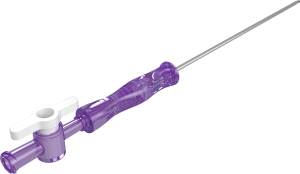
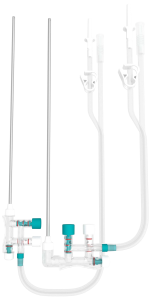
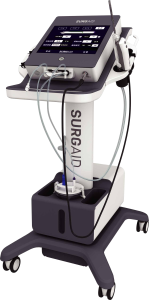
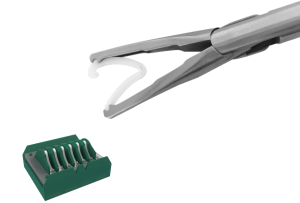
About Surgaid products:
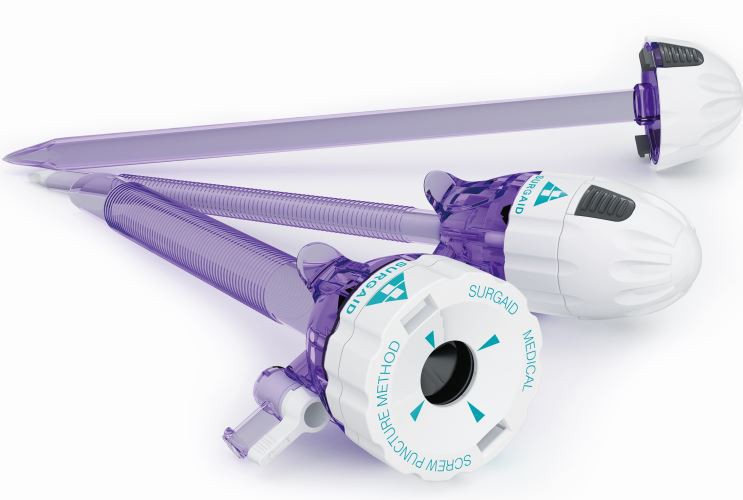
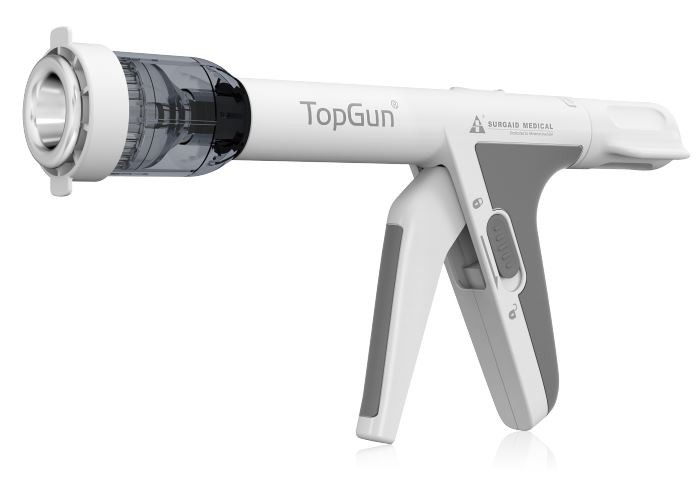
China Surgical Stapling
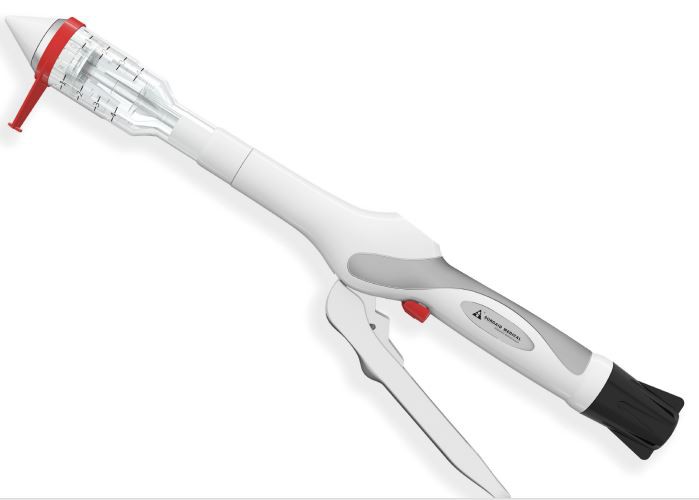
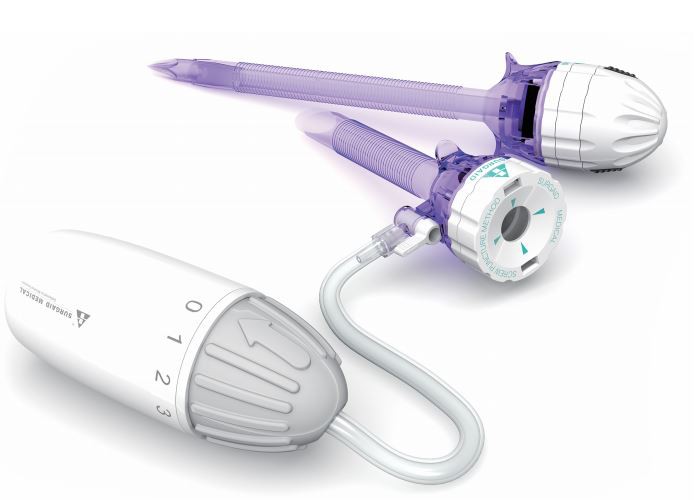
For more product information at https://www.surgaid-medical.com/