







Status of China's MISIA(Minimally invasive surgical instruments and accessories) Market
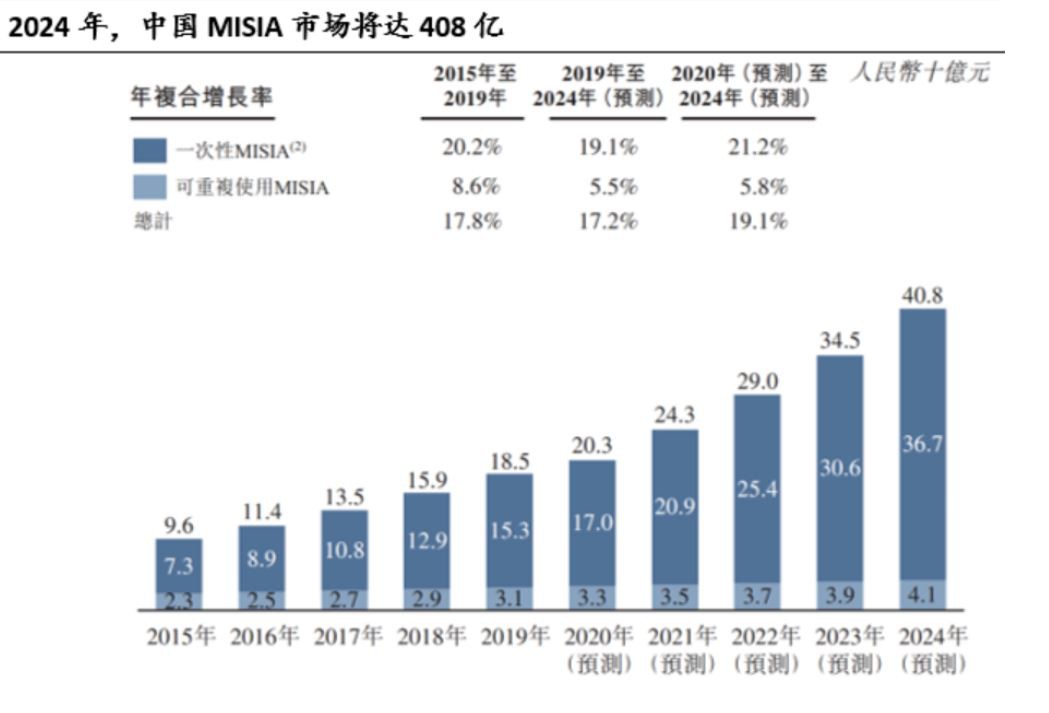
From 2015 to 2019, China's overall market sales revenue of MISIA increased from 9.6 billion yuan to 18.5 billion yuan, with a compound annual growth rate of 17.8%. It is estimated that the domestic MISIA market will reach 40.8 billion in 2024. From 2019 to 2024, the compound annual growth rate of disposable MISIA is nearly 20%, far exceeding that of repeated MISIA.
Strong driving force in China's MISIA market
1.In the past, conservatives were accustomed to traditional open surgery, which is expected to improve in the future.
In the past, many old doctors did not approve or trust minimally invasive surgery, and did not allow young doctors to perform minimally invasive surgery. However, with the continuous popularity of minimally invasive surgery, the effects and advantages of minimally invasive surgery have been recognized, and the acceptance of minimally invasive surgery by old doctors has also continued to increase.
2.Minimally invasive surgery has a short learning curve and young doctors grow up quickly.
In traditional open surgery, the learning of young doctors can only be achieved through the teaching of old doctors, and the learning curve is long. Minimally invasive surgery can be recorded through an endoscopic system, and it can be observed and learned repeatedly after surgery. Compared with open surgery, the field of vision is clearer and more intuitive, and the learning curve is significantly shorter than that of traditional surgery.
3.Policy restrictions make doctors more inclined to minimally invasive.
The government clearly limits the utilization rate of hospital beds, and the hospital hopes to shorten the average length of stay in hospital and increase the turnover rate of beds. However, the recovery from minimally invasive surgery is quick, and patients can be discharged as soon as possible, which is beneficial to improve bed turnover.
4.Macro factors promote the continuous increase of minimally invasive surgery.
①The aging population is becoming more and more prominent, and traditional open surgery is not suitable for the elderly. ②With the increase in per capita disposable income, more patients are willing to choose minimally invasive surgery with a small wound but a little more expensive. ③Wide coverage of medical insurance reimbursement can relieve more The economic pressure of multi-patient surgery. All these have contributed to the continuous increase in the penetration rate of minimally invasive surgery.
China's MISIA market is huge
1.From a split point of view, the market for high-value consumables is larger
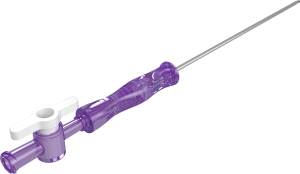
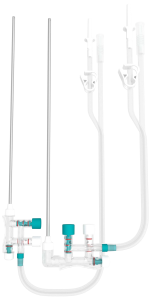
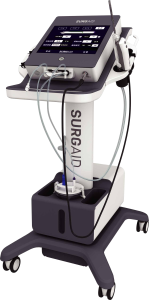
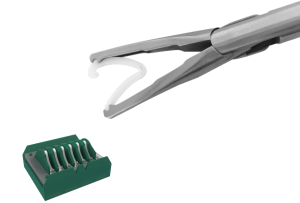
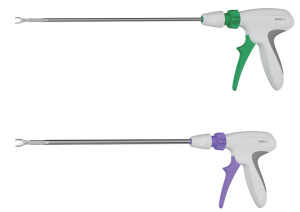
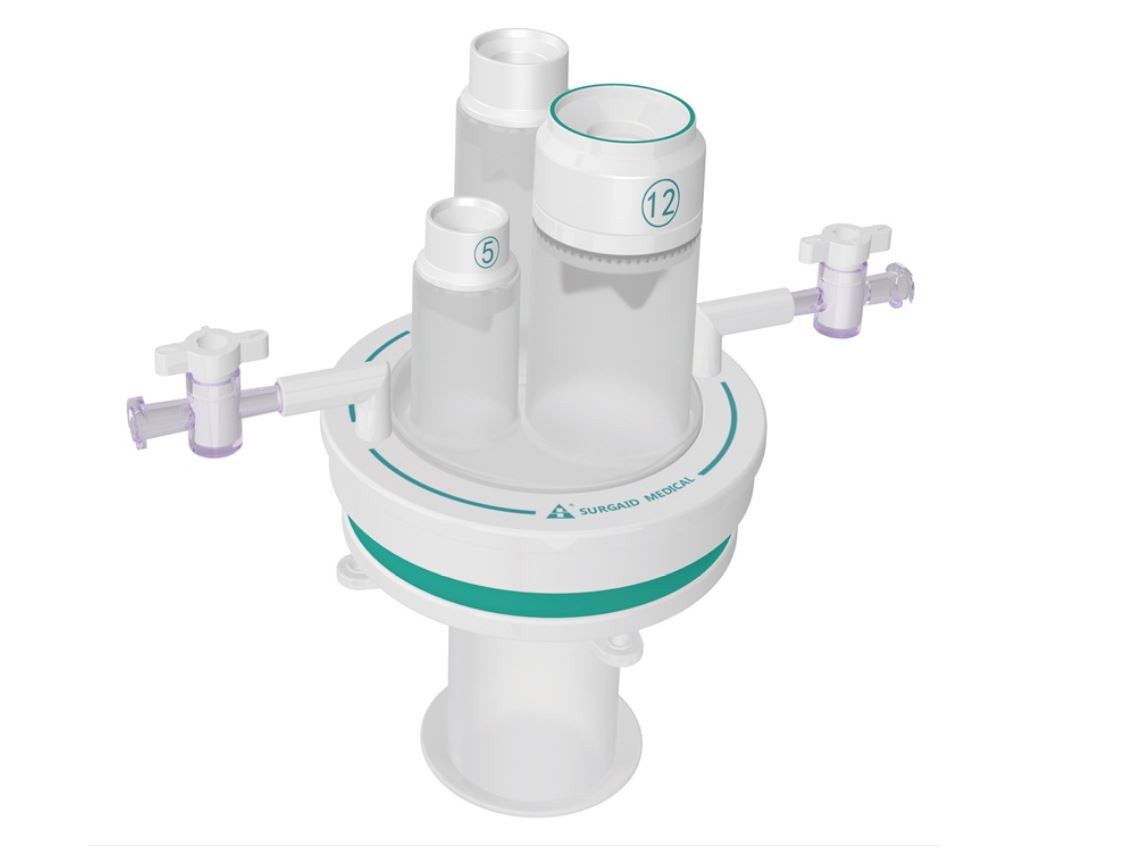
MISIA includes surgical instruments such as China Surgical Smoke Filtration, TST stapler, Surgical Smoke Filter, among which staplers and ultrasonic scalpels are high-value consumables in MISIA, ranking top in the market, trocars, ligation clips, electrocoagulation forceps, etc. The price of equipment is relatively low, and the market size is relatively small.
2.The high-value consumables market is expanding rapidly.
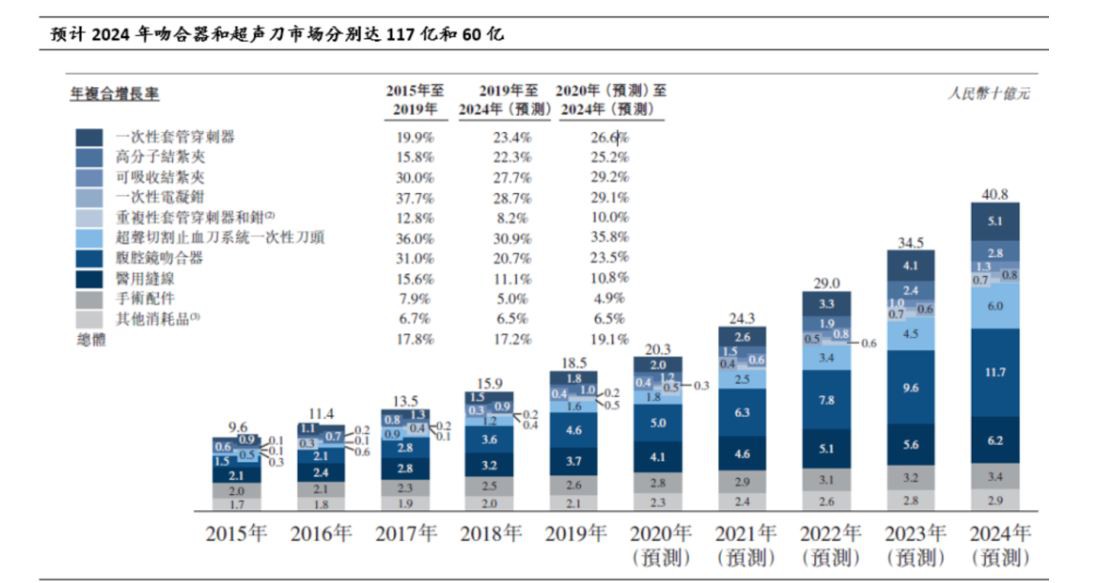
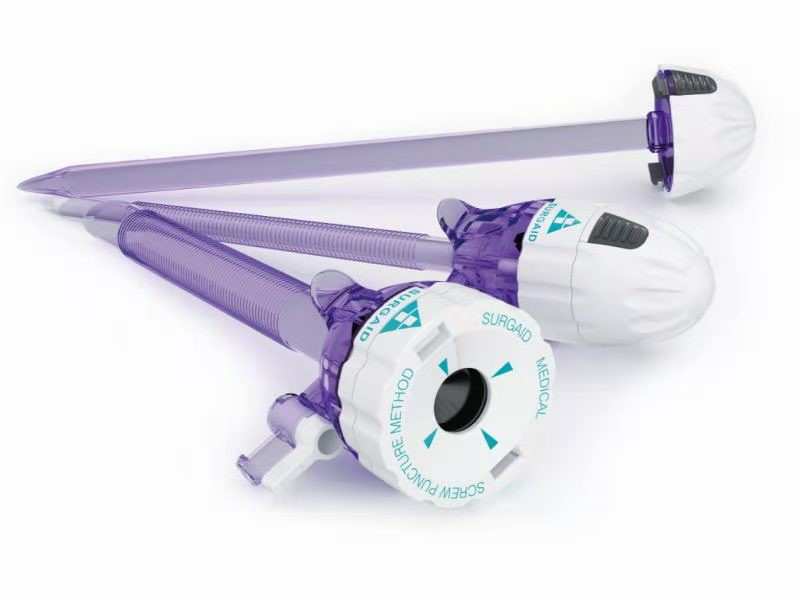
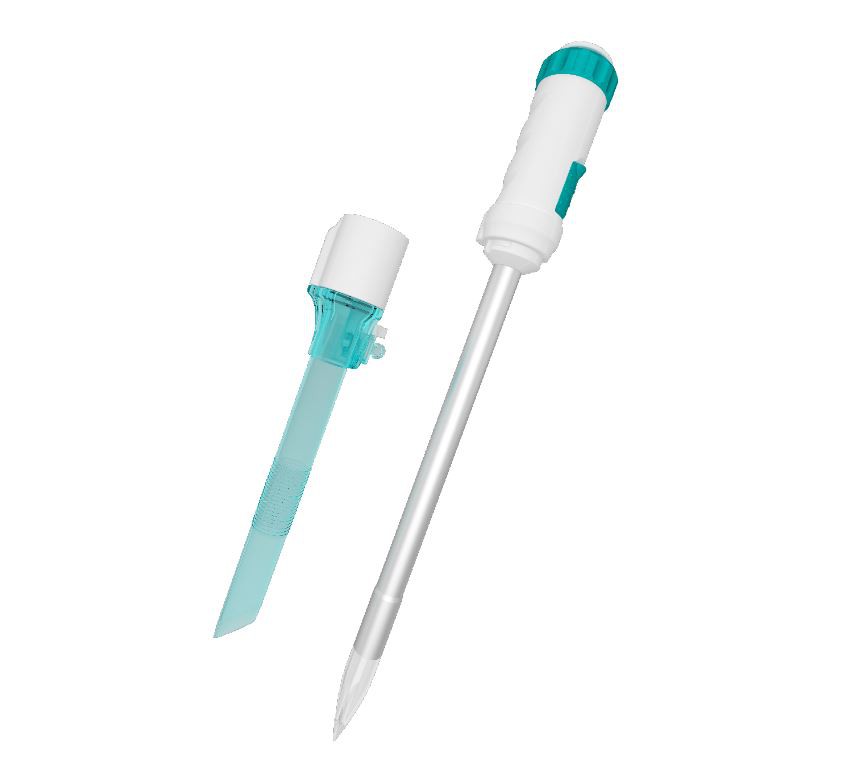
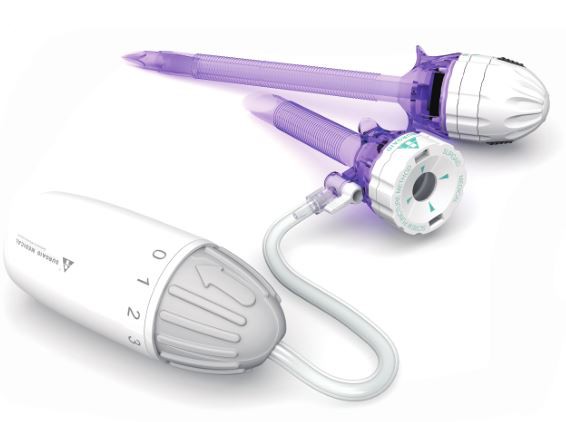
In the domestic MISIA market in 2019, the laparoscopic stapler market reached 4.6 billion yuan, which is the largest market in the segment. It is expected to grow to 11.7 billion yuan in 2024, accounting for 30% of the MISIA market. The market scale of another type of high-value consumable ultrasonic knife is expected to expand rapidly in the next five years. It is expected to reach 6 billion yuan in 2024, accounting for 15% of the MISIA market, which is basically the same as medical sutures. The disposable cannula puncture device is expected to grow to 5.1 billion yuan in 2024, and it is growing rapidly as a representative of low- and medium-value consumables.
MISIA products:
For more product information at https://www.surgaid-medical.com/