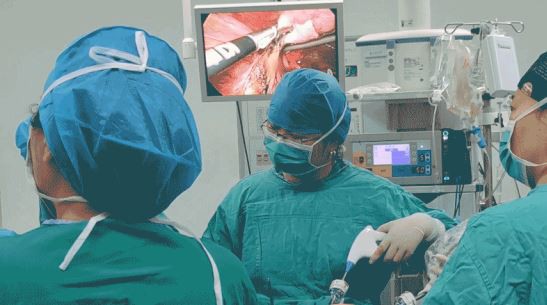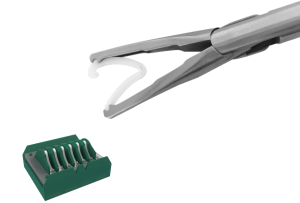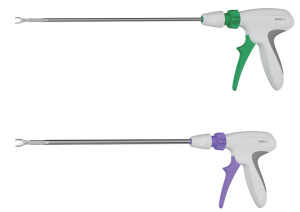








With the maturity of laparoscopic technology, many abdominal surgical operations have entered the "minimally invasive era", such as: laparoscopic appendectomy, laparoscopic radical resection of colon cancer, laparoscopic myomectomy… the same as traditional open surgery Compared with the methods, laparoscopic surgery can provide the surgeon with a more comprehensive and clear vision of the operation, and at the same time, it can bring the benefits of small incision, less pain, and faster recovery to the patient. However, many patients often wonder: the previous surgical operations can be done with "local anesthesia" or "semi-anesthesia". How can the surgery be minimally invasive, but general anesthesia is required for anesthesia?
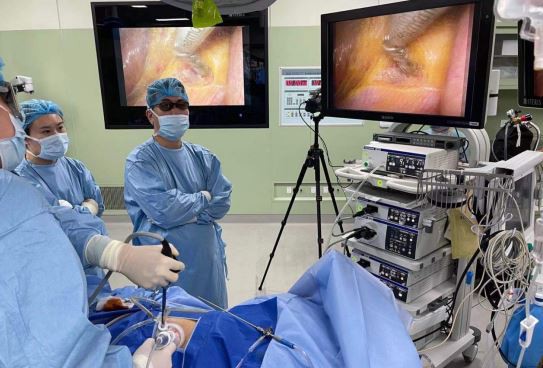
1. Surgical needs: Unlike traditional surgical operations that are limited to the incision and the nearby "one-acre three-quarters of land", laparoscopic surgery "covers" the entire abdominal cavity, and its operating space and scope are wider, so the scope of anesthesia required is also More extensive. The establishment of artificial pneumoperitoneum requires the patient's abdominal wall muscles and even the diaphragm to relax completely. Local anesthesia or intraspinal anesthesia (commonly known as "half anesthesia") cannot meet this requirement. Only the muscle relaxants used in general anesthesia are feasible.
2. Physical needs: In the state of artificial pneumoperitoneum, the patient's intra-abdominal pressure rises, the diaphragm moves up, and the whole body muscles relax, making it difficult for the patient to breathe spontaneously. For safety, the anesthesiologist needs to intubate the patient's trachea and connect the anesthesia machine Assist breathing. At the same time, the increased intra-abdominal pressure under the artificial pneumoperitoneum compresses organs, blood vessels and nerves. Under this stimulation, if there is no intervention of anesthesia, the patient’s blood pressure and heart rate will rise sharply, greatly increasing the incidence of cardiac and cerebrovascular accidents. risk.
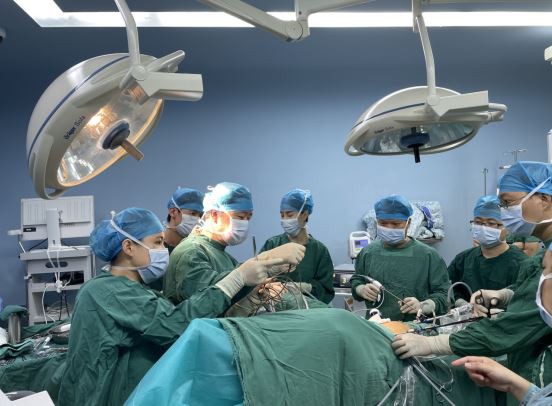
3. Psychological needs: In addition to the discomfort caused by various operations, the unfamiliar environment in the operating room, the sharp alarm of the monitor and the sound of the collision of surgical instruments will make the patient nervous and anxious, and even unable to cooperate with the surgeon to complete the operation. In addition, in order to facilitate the operation, the surgeon needs to change the patient's position frequently during the operation, with head down and feet high, head high and feet low, left tilted, right tilted, and overall elevation… According to different surgical needs, the patient will be in various positions. Fixed on the operating table.
All in all, traditional surgical operation does not look at the large incision, but the actual scope of influence is limited to the incision and its vicinity; while laparoscopic surgery involves the entire abdominal cavity, and the actual scope of influence is wider than traditional surgery. Therefore, a wider range of general anesthesia is required .