







A lot of rigorous research tells us that obesity is the partner of various diseases. This was bad enough at first, but the recent, The Lancet Neurology is even more ruthless, directly using a review of up to 130 references to tell us: Obesity makes people stupid.
In view of this, this article no longer talks about the dangers of obesity. On the contrary, let us have fun talking about the dangers of losing weight and being too thin.In other words, there is a disease that often occurs because of too successful weight loss in a short period of time. Common symptoms include abdominal distension, abdominal pain, vomiting, etc.The treatment is to supplement nutrition and actively gain weight. In most cases, the disease will be cured after the weight gain is successful.

1.Superior Mesenteric Artery Syndrome (SMAS)
Superior Mesenteric Artery Syndrome (SMAS) refers to the upper gastrointestinal obstruction caused by the superior mesenteric artery compressing the horizontal segment of the duodenum.
Under normal circumstances, the angle between the superior mesenteric artery and the abdominal aorta is supported by a fat pad (that is, adipose tissue) to maintain the angle between 30° and 40°, so as to avoid the twelve-thousands that travel between the two. Compression at the level of the intestine. If the patient suffers from malnutrition and a sudden and significant weight loss, the fat tissue in the included angle will decrease, the supporting effect will be weakened, the included angle will become smaller, and the horizontal segment of the duodenum will be compressed, resulting in a series of symptoms. Typical SMAS is common in people who lose weight quickly and massively, and can also be seen in people with lumbar lordosis, abdominal wall relaxation, long-term bed rest, and anorexia nervosa.

2. Treatment
In terms of treatment, in addition to symptomatic treatment in the acute phase, the main means is active nutritional therapy (enteral nutrition, intravenous nutrition).
That is, by improving the nutritional status of SMAS patients, increasing body weight and fat content, thereby increasing the angle between the superior mesenteric artery and the abdominal aorta, lifting the duodenal obstruction and alleviating clinical symptoms.
Patients who fail medical treatment are treated with surgery. At present, surgical methods such as duodenal jejunostomy, Treiz ligamentectomy, duodenal shunt or fixation are often used.
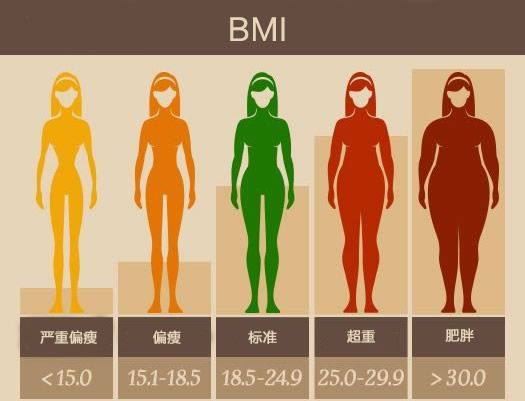
In the end, I came to the final conclusion: Too fat or too thin is not good. BMI is controlled at (18.5-23.9) Kg/M^2 for many years, and waist circumference never exceeds 2.7 yards.
For more product information at https://www.surgaid-medical.com/