







Consumerism, telemedicine, and lessons learned from the new crown epidemic will be the focus of the coming year.
The new crown epidemic has created the next trillion-dollar business opportunity-telemedicine.
In the months following the COVID-19 pandemic, we have seen medical companies increasingly pay attention to digital front-end tools to improve online experience.
Perhaps the most important result of the new crown epidemic is its impact as a huge equalizer. Now, the market favors "digital first" companies, that is, companies that provide medical services mainly through online experience (especially for those with ambulatory and low medical intensity needs).
In the context of rapid virtualization of medical services, the five predictions for 2021 are as follows:
Telemedicine technology will gradually mature to meet the needs of specific patients and nursing staff:After the new crown epidemic, all health systems must implement or rapidly expand the scale of telemedicine programs. The health system has adopted a cookie-cutter approach to telemedicine work, which usually involves combining some sub-optimal technical tools in a loosely integrated architecture. Now, digital leaders are not just focusing on the new coronavirus, but redefining their telemedicine plans to achieve longer-term development. The telemedicine platform is also evolving, and now it can provide more ready-made integration functions with the back-end electronic health record (EHR) system. These platforms will also improve their functions based on the type of medical service, geographic location, and whether multiple family members and real-time language translators participate during telemedicine visits to meet some of the new needs of patients. The rapid development of telemedicine has also brought tremendous pressure to clinicians and nursing staff. Telemedicine platform providers will consider the needs of nurses and patients when designing the platform.
Pure digital medical companies will not be limited to electronic health record platforms in terms of virtual medical services:My company’s research on the digital maturity of the entire US health system shows that digital leaders and CIOs continue to rely on its electronic health record platform to implement several digital functions, such as online scheduling and patient communication. However, with the prevalence of consumerism and the maturity of the market, they are looking for first-class digital patient interaction tools other than the electronic health record platform. As large technology companies such as Microsoft and Salesforce further penetrate the medical field, their platforms will increasingly become the choice of enterprise collaboration and patient interaction. Even if a similar function can be used as a native electronic health record function, independent companies specializing in specific functions (for example, finding a doctor) are becoming the first choice. As new employee collaboration platforms such as Zoom shift their attention to new markets such as healthcare, electronic health record platform providers (and even large technology companies) will increasingly find themselves facing challenges in multiple areas. Electronic health record companies (such as Cerner) have begun to transform themselves through strategic partnerships (such as digital prescription platform Xealth).
Experience design will become one of the most popular capabilities of digital leaders in medical companies: As the subtitle of my recent book wrote, consumerism is one of the three important factors that accelerate the digital transformation of the medical field. The other two factors are technology and the new crown epidemic. A typical patient journey may have more than one hundred digital interactive touchpoints, and today's common digital portal solutions only solve one-third or less of these contact opportunities. Although the utilization rate and satisfaction of telemedicine are encouraging, the medical field has lagged behind consumer finance and e-commerce in terms of developing first-class digital experience for consumers. For medical leaders who are responsible for improving digital participation, the challenge is not only to overcome technical difficulties such as interoperability, but also to make these experiences seamless, while also satisfying different segments of the patient population The needs of the group.
Non-contact and low-touch experiences will become standard features of medical experience: The new crown epidemic may cause us to have a permanent fear of shaking hands, touching the surface of objects, and entering overcrowded spaces. In the hospital environment, the increase in low-touch and non-contact experiences in response to the new crown epidemic will evolve to improve work efficiency and patient diversion, while enhancing patient safety. Many health systems have implemented some online functions, such as registration and payment, to replace the previous face-to-face method. By using geographic tracking technology, medical institutions can now automatically "register" patients when they arrive at the location of the hospital, and then direct them to make an appointment. These changes will reduce the need for physical infrastructure for non-medical needs and turn medical services into a "through train" experience.
Consumer inquiries on patient data will trigger a new wave of innovation: The Medical Insurance and Medicaid Services Center (CMS)'s final ruling on interoperability requires (but is not limited to this), the consumer has the right to access his limited medical records and allows the consumer to share this information with anyone he chooses. Due to the new crown epidemic, the deadline to comply with the new ruling has been postponed to 2021. However, certain health plans and health systems are implementing some necessary reforms so that they can meet the requirements before the new deadline. Once consumers have access to their own data, a new wave of IT innovation in the medical field will seize this opportunity to create new products to improve consumers' medical experience, promote more competition, and increase transparency.
About Surgaid medical:
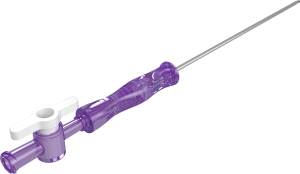
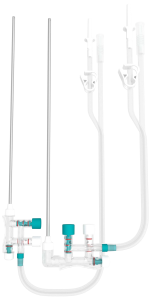
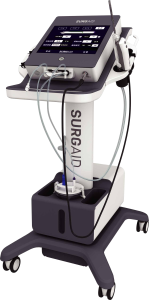
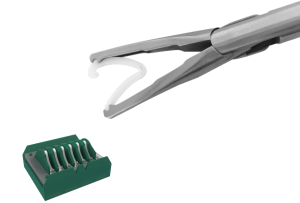
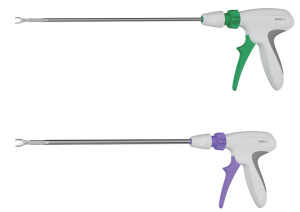
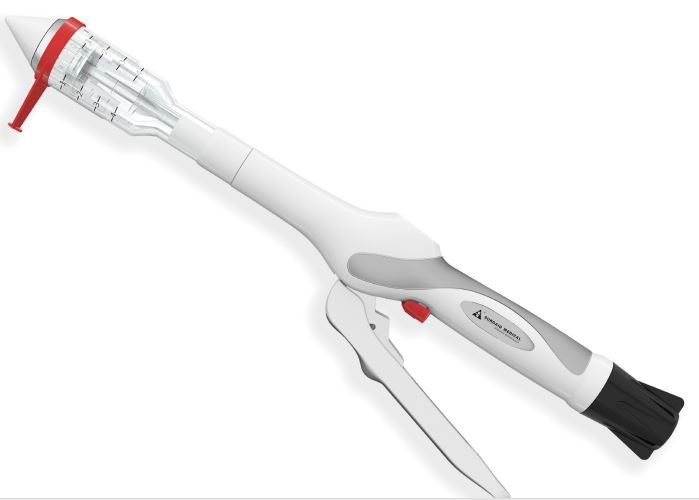
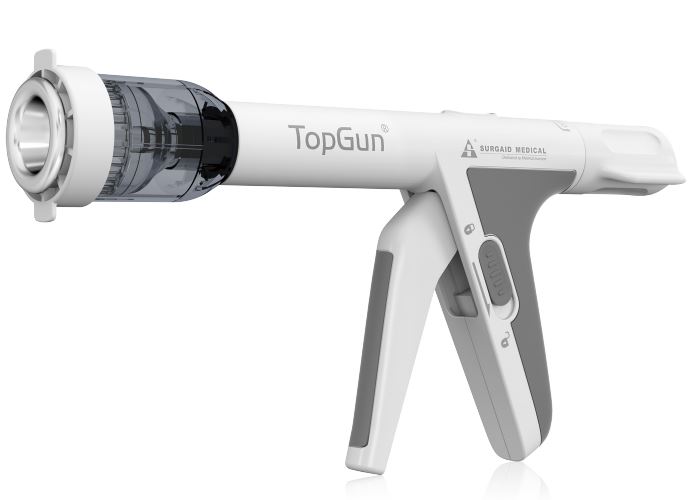
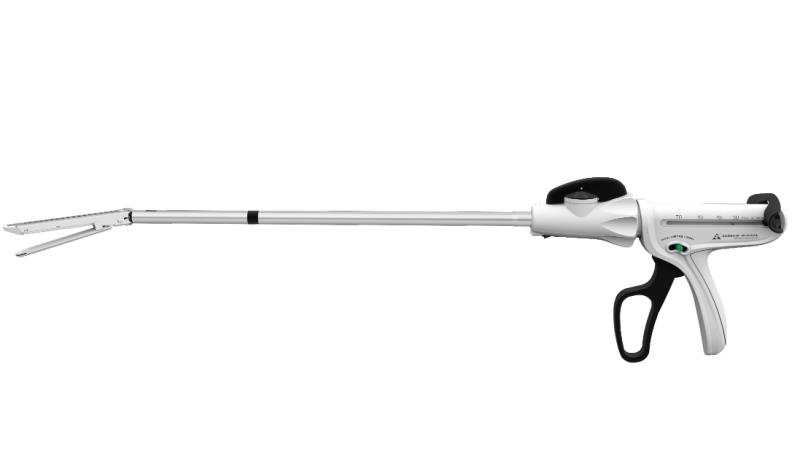
Surgaid Medical (Xiamen) Co., Ltd has been committed to surgical product development ,production and marketing for 10 more years . In particular, minimally invasive surgical products. Minimally invasive surgery is a surgical direction of development. Such as Disposable Laparoscopic Trocar, Linear Cutter Stapler, Circular Stapler, PPH, and so on.
Manufacturing our own Surgical products allows us to have complete control over the design and evolution of our products. We are able to adapt quickly to the constantly evolving healthcare market and offer high quality, single-use, cost-effective solutions that directly compete with global market-leaders.
PS: From Enterprise Network D1Net
Surgaid products:
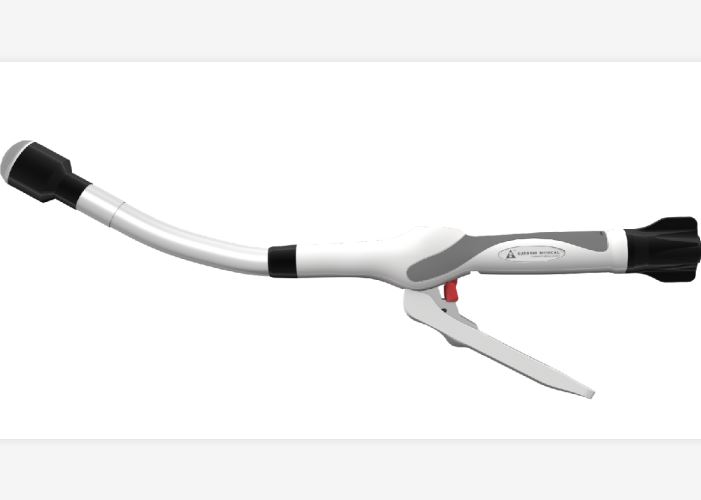
For more product information at https://www.surgaid-medical.com/