







Affected by product attributes, the development of the medical device industry is relatively scattered in the overall supply chain, from logistics, sales to services. The sales of domestic medical devices rely more on distributors. Compared with pharmaceuticals, their distribution has the characteristics of small batches, multiple frequencies, strong segmentation, multiple levels, and strong professionalism. Statistics show that there are more than 510,000 medical device distribution companies in my country, far more than the 13,000 drug distribution companies.
National policies are the most critical influencing factor in the medical service and pharmaceutical circulation industries. Under the general background of medical insurance control fees, the implementation of policies such as the addition of consumables, the two-invoice system, one-invoice system, and centralized procurement with a large amount has undoubtedly accelerated the reform of the medical device supply chain. The specific impacts include:
(1) The implementation of the two-invoice system will allow large companies to sink their channels, and small and medium-sized agents will face elimination, merger or service transformation;
(2) While taking the consumables bonus affects the hospital's income structure, it also places higher requirements on the hospital's consumables management level;
(3) Centralized purchases directly squeeze the price of medical device companies, and put forward higher requirements for cost control and refined management of their supply chain.
At the 6th China Medical Device Supply Chain Annual Conference and 2020 Hospital Supply Chain Development Forum hosted by the China Federation of Logistics and Purchasing not long ago, Cui Zhongfu, the vice president and secretary-general of the China Federation of Logistics and Purchasing, spoke about my country from a supply chain perspective. The development status of the medical device industry puts forward the following analysis:
First, the integration of the circulation industry has accelerated, and market concentration has further increased. In recent years, medical device policies such as the two-invoice system, centralized procurement, and graded diagnosis and treatment have continued to increase, accelerating the reform of the medical device circulation market. The supply chain links continue to compress, leading companies continue to optimize and restructure through acquisitions, mergers, and reorganizations, and the market concentration will gradually increase.
The second is the continuous acceleration of domestic substitution. With the increase in research and development investment, the improvement of research and development capabilities, and the transformation of distribution channels and platform services, my country has achieved breakthrough technologies in high-end products, accelerated import substitution, and gradually strengthened global competitiveness.
Third, the e-commerce market continues to expand. In the Internet information age, medical e-commerce has gradually become an innovative business model for the circulation of medical devices. Under the new crown pneumonia epidemic this year, Internet e-commerce has emerged with vitality, and the online medical device marketing model has played an important role.
Fourth, medical device products are still dominated by low-end and mid-range products. Based on the level of production technology that needs to be improved, my country currently has a large number of low-end and medium-end medical equipment products, and its output ranks among the world's forefront, and a large number of them are exported overseas. Low-end products have a relatively high share of the international market. On the contrary, high-end products such as CT and MRI are insufficiently localized and rely heavily on imports.
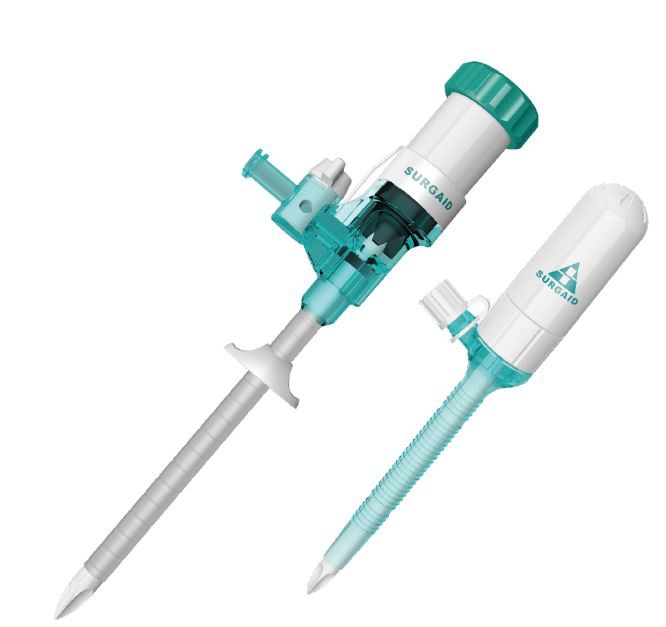
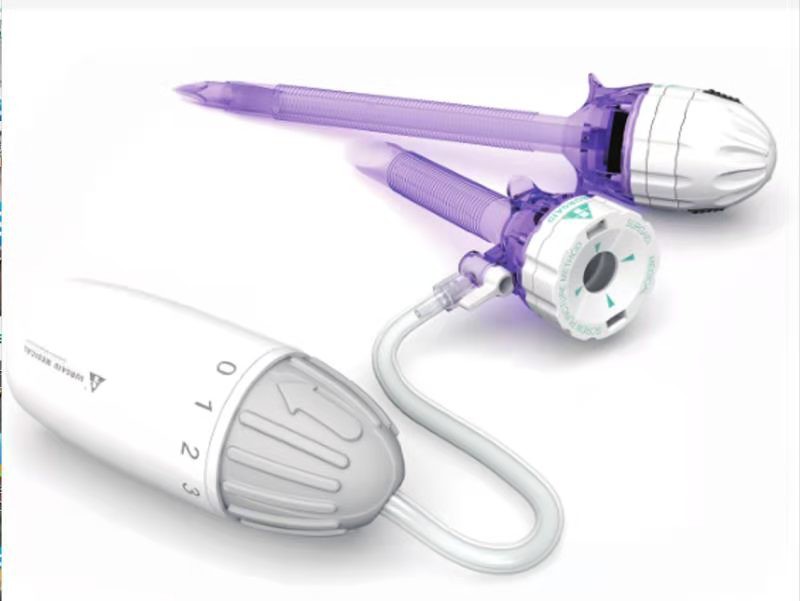
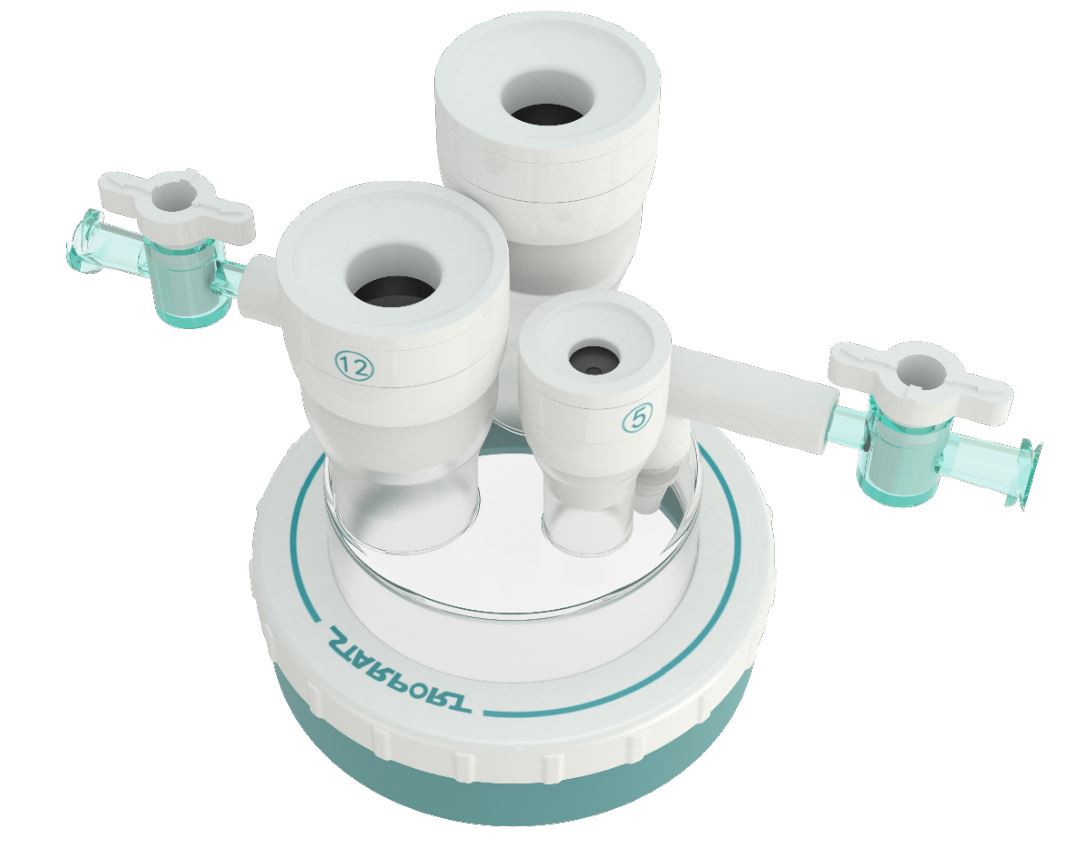
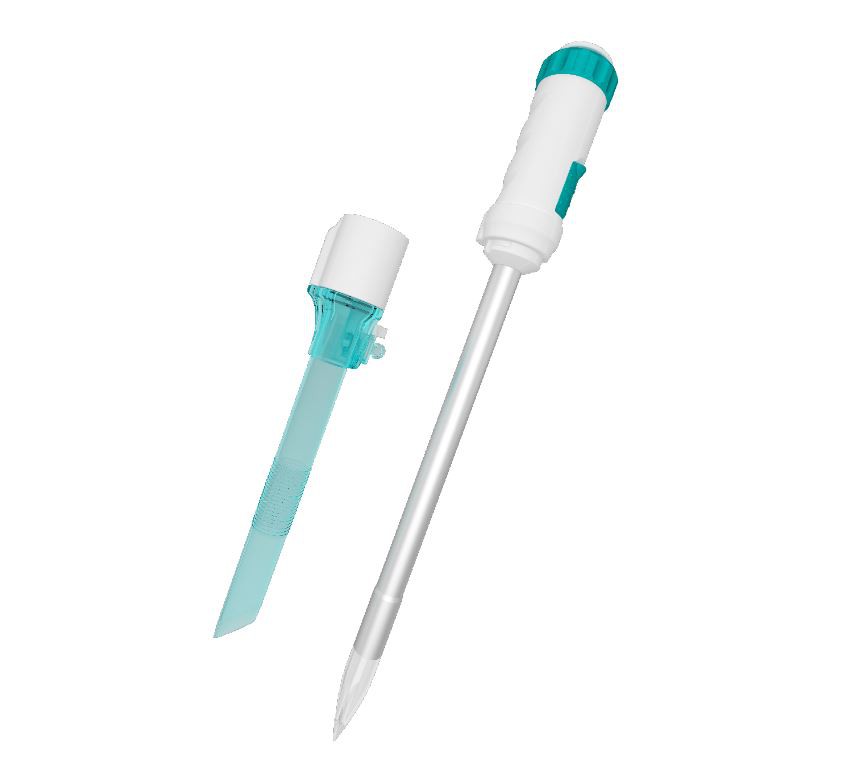
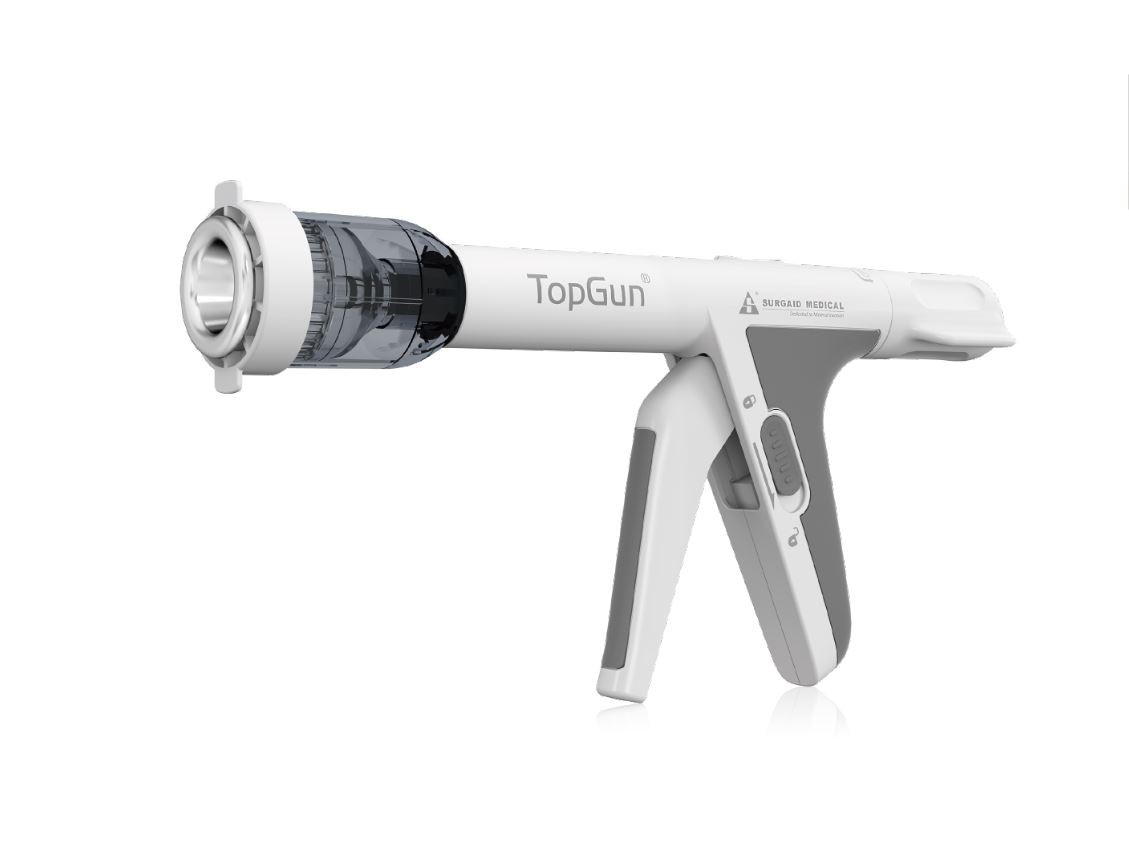
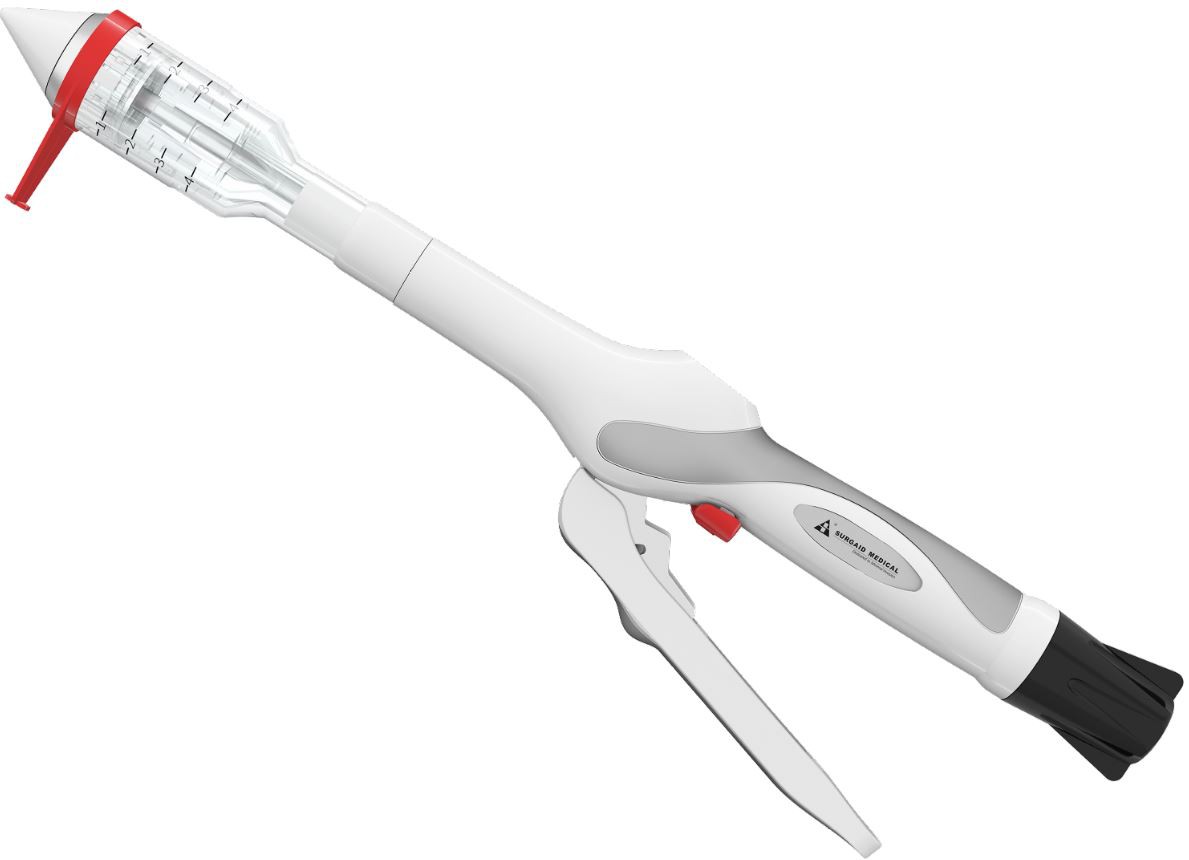
Surgaid Products: