







10 Migraine Prevention Immunology
About 38 million people in the United States suffer from migraine symptoms-an estimated 12% of the adult population. For some time, people have used multipurpose drugs (such as antihypertensive drugs, antidepressants, antiepileptics, and botulinum injections) for prevention. However, these methods are not specifically developed to treat migraines, and their effects are mixed. In 2018, a new drug for migraine relief was developed. These drugs work by blocking the activity of a molecule called calcitonin gene-related peptide (CGRP), which spikes during migraine attacks. In 2020, this drug began to be widely used as a prescription drug. It was the first drug specifically developed for the preventive treatment of migraine, opening a new era in migraine therapy.

9 Prostate cancer PARP inhibitor
About one in nine people will have prostate cancer. Despite the progress made in the past decade, this type of disease is still the second leading cause of cancer deaths among men in the United States; PARP inhibitors-cancer therapy pharmacological inhibitors-can block a protein called PARP, which helps repair damaged tumor DNA in the BRCA1 and BRCA2 gene mutation populations. Although it is generally believed that two PARP inhibitors can successfully treat female cancers, they have proven to delay the progression of prostate cancer in men with refractory cancers and mutations in the DNA repair pathway. In May 2020, both were approved for the treatment of prostate cancer.

8 Vacuum induced uterine packing device for postpartum hemorrhage
Postpartum hemorrhage is characterized by postpartum hemorrhage, which is a serious complication of childbirth. About 1% to 5% of mothers suffer from postpartum hemorrhage. Women who experience massive postpartum hemorrhage may need blood transfusions, medications that cause dangerous side effects, long-term uncomfortable surgery, and even emergency hysterectomy that may cause loss of fertility. Non-surgical interventions for bleeding sites are limited to balloon devices, which can expand the uterus while compressing the bleeding site. The current latest development is the vacuum-induced uterine tamponade-a method that uses the negative pressure generated in the uterus to collapse the bleeding cavity and prompt the muscles to close the blood vessels. Vacuum induction device is another minimally invasive tool for clinicians to treat complications, and can provide low-tech solutions, which may be suitable for developing countries with relatively scarce resources.

7 Increase the accessibility of telemedicine through new practices and policy changes
Affected by the new crown pneumonia epidemic, clinicians are increasingly conducting online visits to patients through telemedicine. Through fundamental changes in government and supplier-level policies, virtualized care models are being adopted by more and more consumers. Because this new tool can speed up access to medical services and protect medical workers and community members, since March, state and federal regulatory agencies have acted quickly to reduce barriers to telemedicine. Such measures can promote the development of telemedicine and promote the expansion of existing networks and the deployment of new projects.

6 Bubble CPAP is used to enhance lung function in premature infants
Premature babies are underweight and frail, and they usually need special medical services-including ventilation for babies with infant respiratory distress syndrome (IRDS). For IRDS, surfactants are usually administered to infants during mechanical ventilation, but this practice can cause premature infants to suffer persistent lung damage and gradually evolve into chronic lung disease. Different from mechanical ventilation, b-CPAP is a non-invasive ventilation strategy-providing continuous positive airway pressure to the newborn to maintain lung capacity during expiration. Oscillation rather than constant pressure can play a role in its safety and effectiveness. If administered for a long time, it can minimize physical trauma and stimulate lung development.

5 Common treatment for hepatitis C
CDC classifies hepatitis C as a "silent epidemic" and it has become a major public health problem in the United States. Infection with the hepatitis C virus can cause serious life-threatening problems (such as liver failure, cirrhosis, and liver cancer). Because there is no vaccine against the virus, patients can only receive medication, but many treatments are accompanied by side effects or are only effective for certain genotypes of diseases. A new, approved fixed-dose combination drug can greatly improve the treatment of hepatitis C. This therapy has an effective treatment of more than 90% for 1 to 6 hepatitis C genotypes, and is an effective option for a wider range of patients.

4 New Drugs for Cystic Fibrosis
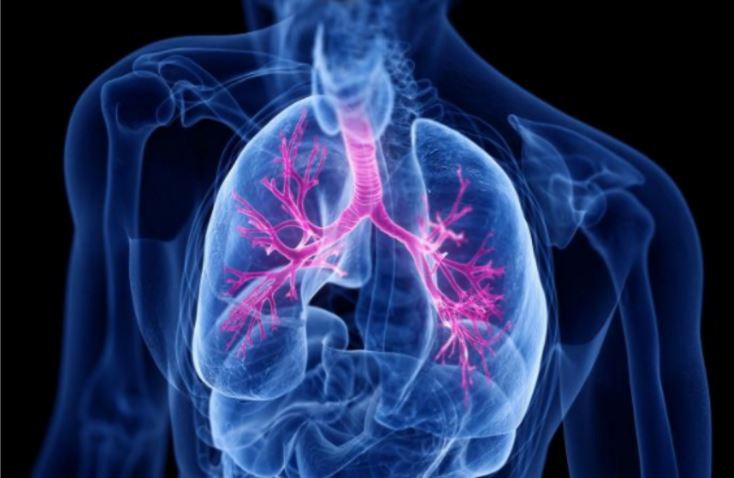
Today, more than 30,000 people in the United States suffer from Cystic Fibrosis (CF) disease-a genetic disease characterized by thick mucus that blocks the respiratory tract and traps bacteria, causing infection, inflammation and other complications. Cystic fibrosis is caused by a defective cystic fibrosis transmembrane conductance regulator (CFTR) protein. CFTR modulators can correct protein effects, but drugs developed before last year are only effective for certain mutant populations. The FDA approved a new combination drug in October 2019 that can provide relief for patients with the most common CF gene mutation (F508 del)-an estimated 90% of patients with the disease.
3 Pacemaker device connected to smartphone
Implantable devices such as pacemakers and defibrillators deliver electrical pulses to the myocardium to contract and pump blood into the body. It is used to prevent or correct arrhythmia-uneven, slow or fast heartbeat. Remote monitoring of these devices can be used as an important part of care. Traditionally, the device was remotely monitored through a bedside console, which transmits pacemaker or defibrillator data to the doctor. Although millions of patients use pacemakers and defibrillators, many people lack a basic understanding of the device or its functions, and the degree of adherence to remote monitoring is not ideal. A pacemaker device that supports Bluetooth can solve the problem of disconnection between the patient and the heart therapy. When combined with mobile applications, these connected devices enable patients to better understand the health data of the pacemaker and transmit health information to the doctor.

2 New drugs for treating primary progressive multiple sclerosis
In multiple sclerosis (MS) patients, the immune system attacks the fat-protecting myelin sheath covering nerve fibers-causing communication problems between the brain and other parts of the body, which can lead to permanent damage or deterioration, and ultimately death. Approximately 15% of patients with multiple sclerosis will experience a subset of diseases called primary progressive, which is characterized by the gradual onset and steady progression of symptoms and signs. The new, FDA-approved therapeutic monoclonal antibody has a new target and can be used as the first and only MS treatment for the primary progressive population.

1 Hemoglobinopathy gene therapy
Hemoglobinopathy refers to a genetic disease that affects the molecular structure or production of hemoglobin, which is a red protein responsible for transporting oxygen in the blood. The most common hemoglobinopathies include sickle cell disease and thalassemia-these two diseases affect more than 330,000 children worldwide each year, and there are more than 100,000 sickle cell disease patients in the United States alone. The latest research on hemoglobinopathies can lead to an experimental gene therapy that makes it possible for people with the disease to produce functional hemoglobin molecules (which can reduce sickle blood cells or invalid red blood cells in thalassemia) to prevent related complications.

ABOUT SURGAID PRODUCTS:
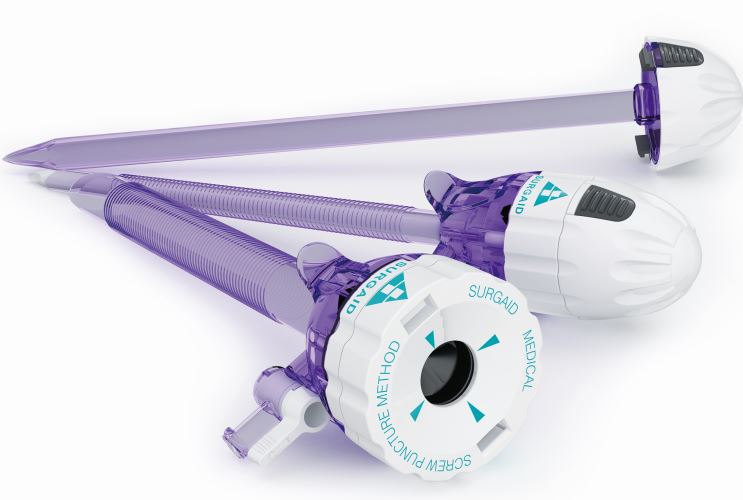
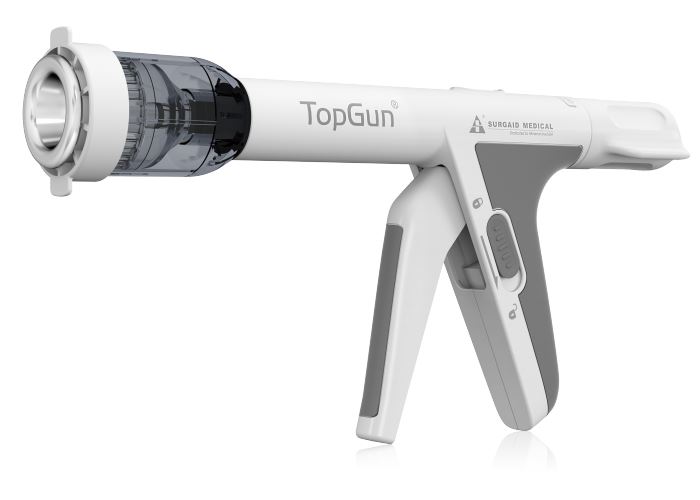
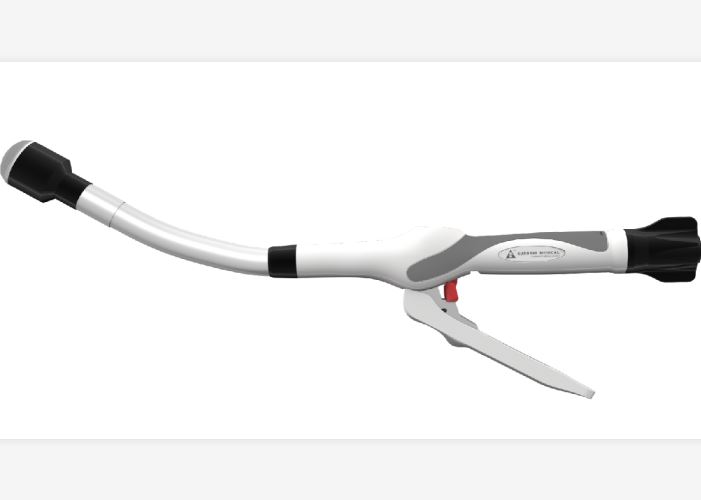
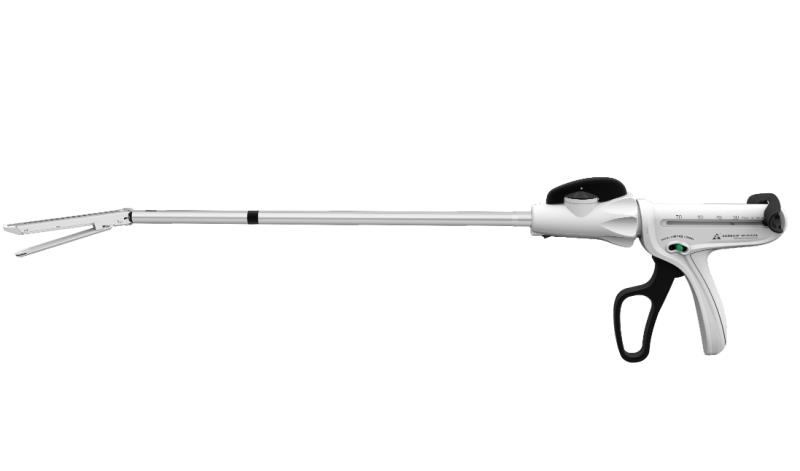
For more product information at https://www.surgaid-medical.com/