






Recently, a doctor in Xinjiang told his story: One night, he received a patient who was in a car accident, his liver ruptured and his life was dying. Despite all efforts to rescue, the patient eventually died due to excessive blood loss. When the doctor told the family of the bad news, the family not only did not blame the doctor, but thanked the doctor, and then asked to take the cut liver and bury it with the deceased. After the funeral, the family members came to the hospital to settle all expenses. This move moved the doctor very much. Since then, whenever he encounters a critically ill patient, he has no worries and is always willing to take a risk.
Medicine is an uncertain science
Medicine is an uncertain science. Life and death have only probabilities, not definite numbers. Generally speaking, risk is directly proportional to return. The more the doctor dares to take risks, the greater the benefit for the patient. If the patient gives the doctor the understanding and trust and is willing to share the risk with the doctor to "gamble", the doctor will take the "risk" and win the first line of life for the patient.
However, the human body is a "black box" after all. With the same method and the same medicine, some people will be safe, while others will have accidents. This is the complexity of life and the risks of medicine. Faced with complex and changeable conditions, doctors can never make perfect decisions. Among them, there are both objective factors and subjective factors.
Perhaps, doctor is a profession that should not make mistakes, but it is also a profession that cannot be made without mistakes. The biggest misunderstanding of patients about doctors is that they regard doctors as gods. In fact, a doctor, no matter how skilled he is, cannot guarantee that he will always be in his best condition. If doctors are not allowed to make mistakes, there will probably be no doctors in the world. Of course, there are many cases of doctors’ mistakes, some are forgivable, some are unforgivable. When judging a doctor’s mistakes, one should distinguish between the cause and the nature, and cannot be generalized.
Medicine is the product of love
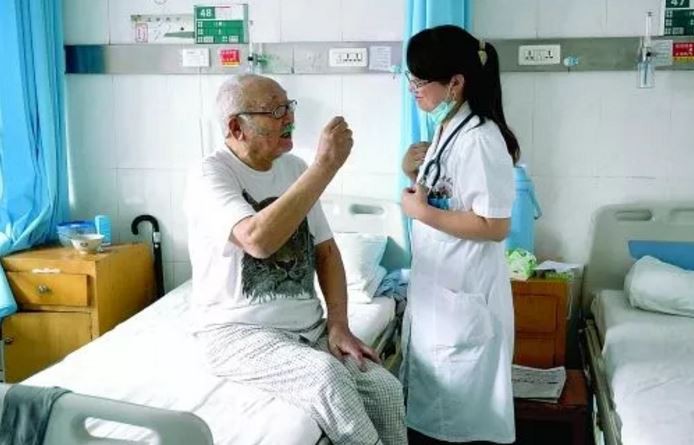
The reason why doctors dare to take risks is not only because of their fear of life, but also because of their faith in the kindness of human nature. In theory, all doctors hope to relieve the pain of their patients. When a person’s life is dying, the most hoped that he will survive, except for his relatives, is the doctor. If the patient does not understand this, it will hurt the doctor's emotions.
A farmer brought a daughter who had a kidney tumor to seek medical advice, but was rejected by many hospitals. In desperate circumstances, he came to a famous hospital, knelt on the ground, and begged the doctor to save the child. A kind-hearted urologist, knowing that the operation is extremely dangerous, still moved with compassion. He told the father of the child to prepare for the worst: the person is gone, it is normal; if it is saved, it is an accident.
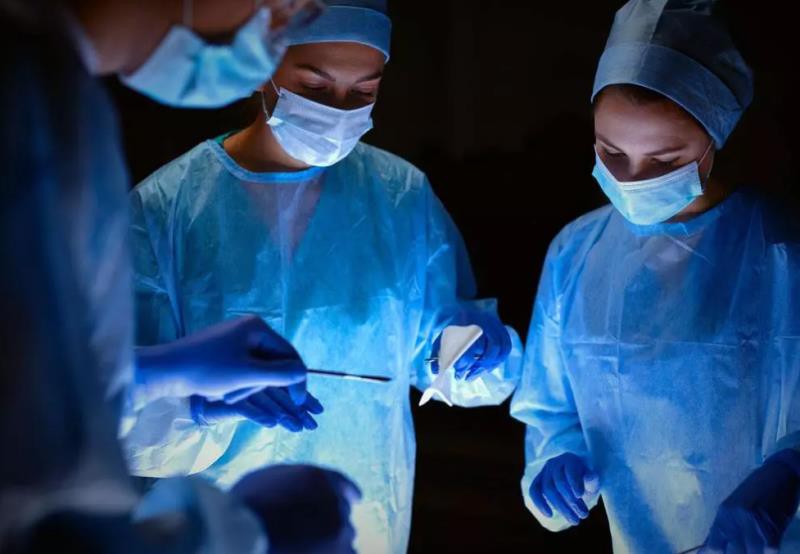
After careful surgery, the huge tumor was completely removed. However, during the hemostatic suture, the patient died of sudden respiratory and cardiac arrest. Although the doctor was not at fault, the father of the deceased vented all his grievances on the doctor, entangled and demanded compensation. As a result, the doctor could no longer concentrate on the operation and eventually suffered depression and committed suicide by jumping off the building.
Similar things chilled the doctors. If the kindness always fails to get good rewards, the doctor will naturally wrap the heart and become indifferent and sophisticated. He would rather admit that he is incompetent and give up the best treatment plan than take any risks. Because only in this way can we avoid "laying down the gun."
Today, with frequent doctor-patient disputes, more and more doctors take defensive medical measures to avoid disputes and litigation. For example, let patients do redundant examinations, refer high-risk patients, deliberately choose low-difficulty operations, and give up high-risk but high-value treatments. Obviously, defensive medical care is a kind of invisible "cold violence", which makes the already fragile doctor-patient relationship worse. In this game, the doctor may not be the winner, but the patient is definitely the biggest loser.
Doctors and patients are a community of life, and only trust can win-win. In medical decision-making, the most difficult thing is never technology, but spiritual understanding. The more the patient trusts, the more the doctor will have the courage to take risks; the more the patient doubts, the more the doctor will worry about avoiding. Therefore, if you want the doctor to take a risk for you, please give the doctor a reason to take the risk!
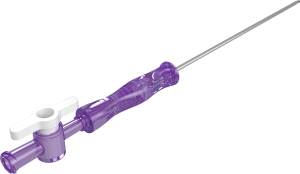
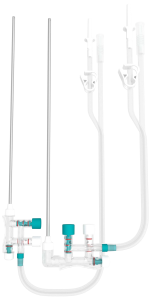
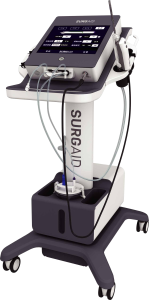
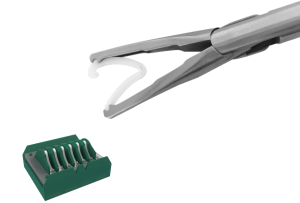
ABOUT SURGAID PRODUCTS:
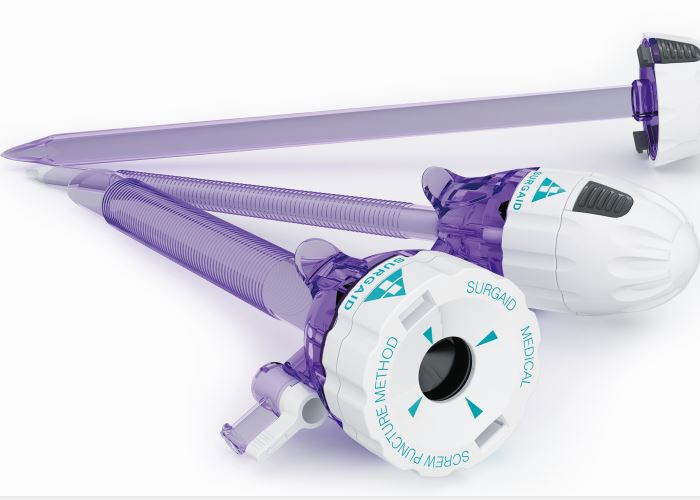
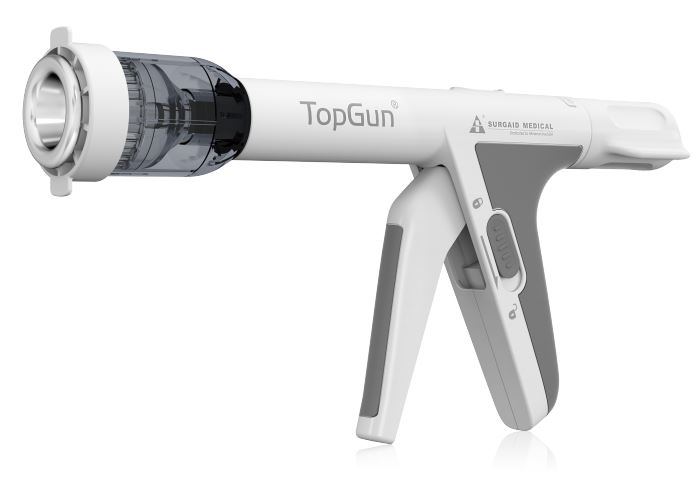
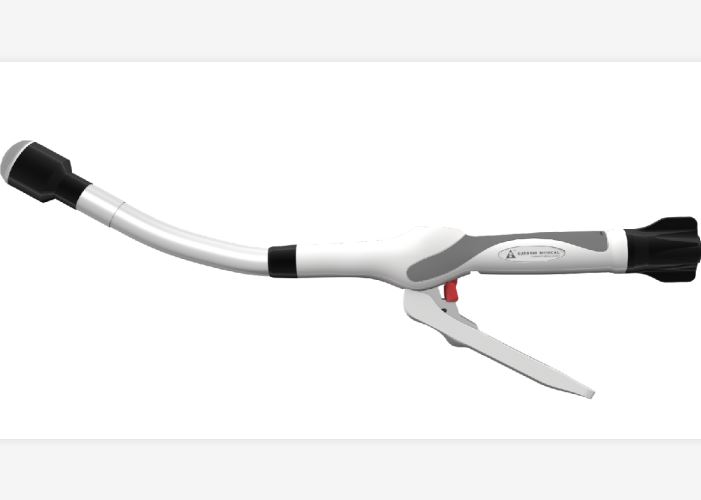
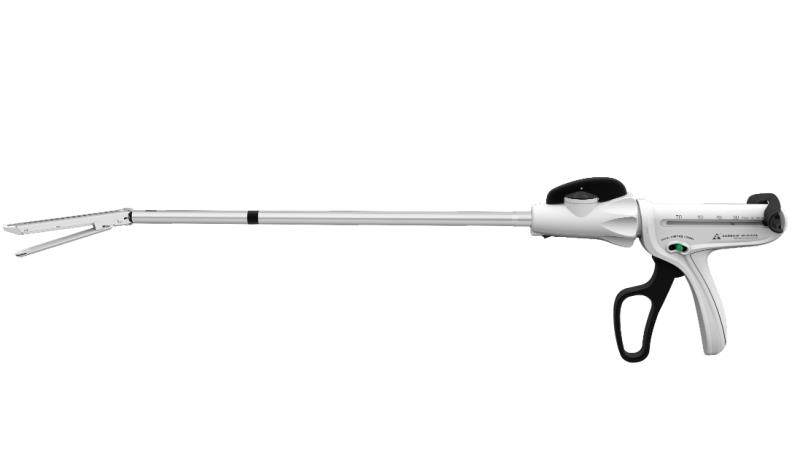
For more product information at https://www.surgaid-medical.com/