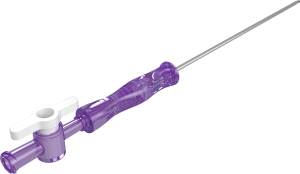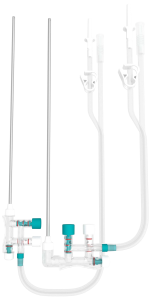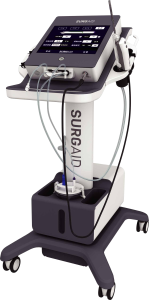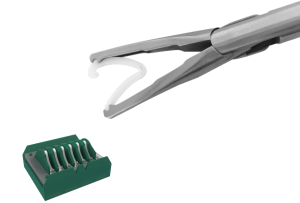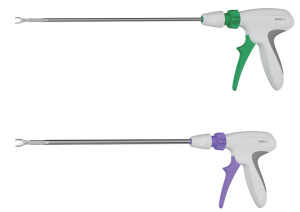








This question is to answer the indications and contraindications of single-hole laparoscopy. Currently, single-port laparoscopic surgery has been reported in most gynecological operations,Single Port Laparoscopic such as ovarian cystectomy,Single Port Laparoscopic appendectomy, hysteromyomectomy, total hysterectomy, endometrial cancer staging,Single Port Laparoscopic cervical cancer radical resection, etc.
The contraindications of single-hole laparoscopic are relative,Single Port Laparoscopic such as severe pelvic adhesions, severe endometriosis, etc. In these cases, the difficulty of operation may hinder the implementation of single-hole laparoscopic surgery. In addition, the contraindications of conventional laparoscopic surgery, such as huge pelvic masses,Single Port Laparoscopic advanced ovarian malignancies,Single Port Laparoscopic etc., cannot be completed under a single hole.
For patients, if your hospital can provide single-hole laparoscopic surgery,Single Port Laparoscopic you can communicate with the doctor whether you are suitable for single-hole laparoscopic,Single Port Laparoscopic and the final decision rests with the doctor. Even if the doctor agrees that single-hole laparoscopy can be performed,Single Port Laparoscopic you should know that it is possible to increase the incision and switch to conventional laparoscopy, or even the possibility of open surgery.
For the surgeon, whether it is a single hole,Single Port Laparoscopic a porous hole or an open abdomen,Single Port Laparoscopic it is just the way of surgery, and the purpose and principle of the surgery are unchanged. Whether a single-hole laparoscope can be implemented depends on the ability and skill of the doctor,Single Port Laparoscopic and also requires appropriate equipment and equipment. It is the responsibility of the doctor to fully evaluate the patient's condition and his own skills and choose the most beneficial surgical method.